Psychologists debunk the myth of the 'shifty-eyed' liar
New research from Ulm University proves that people concealing information tend to fix their gaze more often and blink less.
 🩺Health
Photo: TSN
Key points
- Liars tend to blink less
- Direct eye contact is not a sign of honesty
- Pupils react to recognizing information
The common belief that a person telling a lie will inevitably avoid direct eye contact has been proven false. Researchers from Ulm University in Germany conducted an experiment, the results of which were published in the journal PLOS ONE. The study involved 36 volunteers whose reactions were tracked using specialized glasses.
Behavioral patterns when concealing the truth
While attempting to conceal information, the study participants displayed atypical behavior: they blinked significantly less and held their gaze on the interlocutor for longer periods. This was particularly evident when the individual looked directly at the person questioning them.
Pupil dilation was also observed the moment participants recognized hidden information. However, scientists emphasize that this metric is not a universal marker of deception, as it can also indicate cognitive load or heightened attention.
«No single sign confirms a lie. It is much more important to verify facts, cross-reference details, and consider the circumstances of the conversation,» the researchers note.
It is important to understand that laboratory conditions differ from real life. In everyday communication, people may avoid eye contact due to shyness or fatigue, rather than a desire to deceive. According to psychologists, a more effective method for verifying truthfulness is to analyze the consistency of the narrative rather than observing facial expressions.
Source TSN — tsn.ua/tsikavinki/ochi-zavzdy-vydaiut-pravdu-u-brekhuniv-vyiavyly-tsika… ↗
Read next
 🚨Events
Air Assault Forces Deny Reports of New Border Breakthrough in Kursk Region
The Air Assault Forces of the Armed Forces of Ukraine have denied rumors regarding a purported new breakthrough by Ukrainian forces in Russia's Kursk region.
 💡Tech
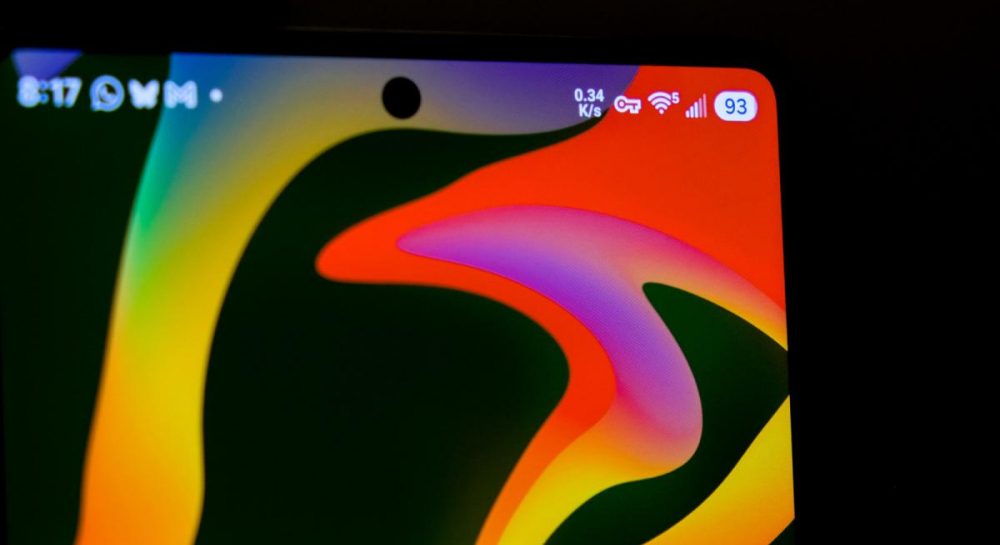
Key Icon on Android Screen: What the Symbol Means and How to Remove It
The appearance of a key icon in the Android status bar confirms an active VPN connection and encrypted internet data. Experts clarify the purpose of this indicator and ho…
 🛡️Security
US General evaluates risks of Russian attacks on NATO countries mirroring Ukraine scenario
Former US Army Europe commander Ben Hodges has warned about the vulnerability of NATO's air defense against mass Russian missile strikes.
 🛡️Security
Winter in Ukraine: Carpathians hit by snowstorms, forecasters warn of icy conditions
The high-altitude Carpathian mountains have been blanketed by heavy snowfall, with rescuers strongly advising against hiking due to hazardous weather.
 🎭Culture & Sport
Fashion Trends 2027: Stylist Olena Shevchenko Reveals Key Colors of the Season
Fashion expert Olena Shevchenko has released a forecast of the color palette that will dominate wardrobes in 2027.
 ⚽Sport
Alcaraz's Dominance and Leadership Crisis: ATP Finals Recap
Carlos Alcaraz confirmed his status as a top leader in men's tennis by winning the ATP Finals undefeated, despite battling a hip injury.