From Nuclear Reactors to Dust Shields: Key NASA Technologies for a Lunar Base
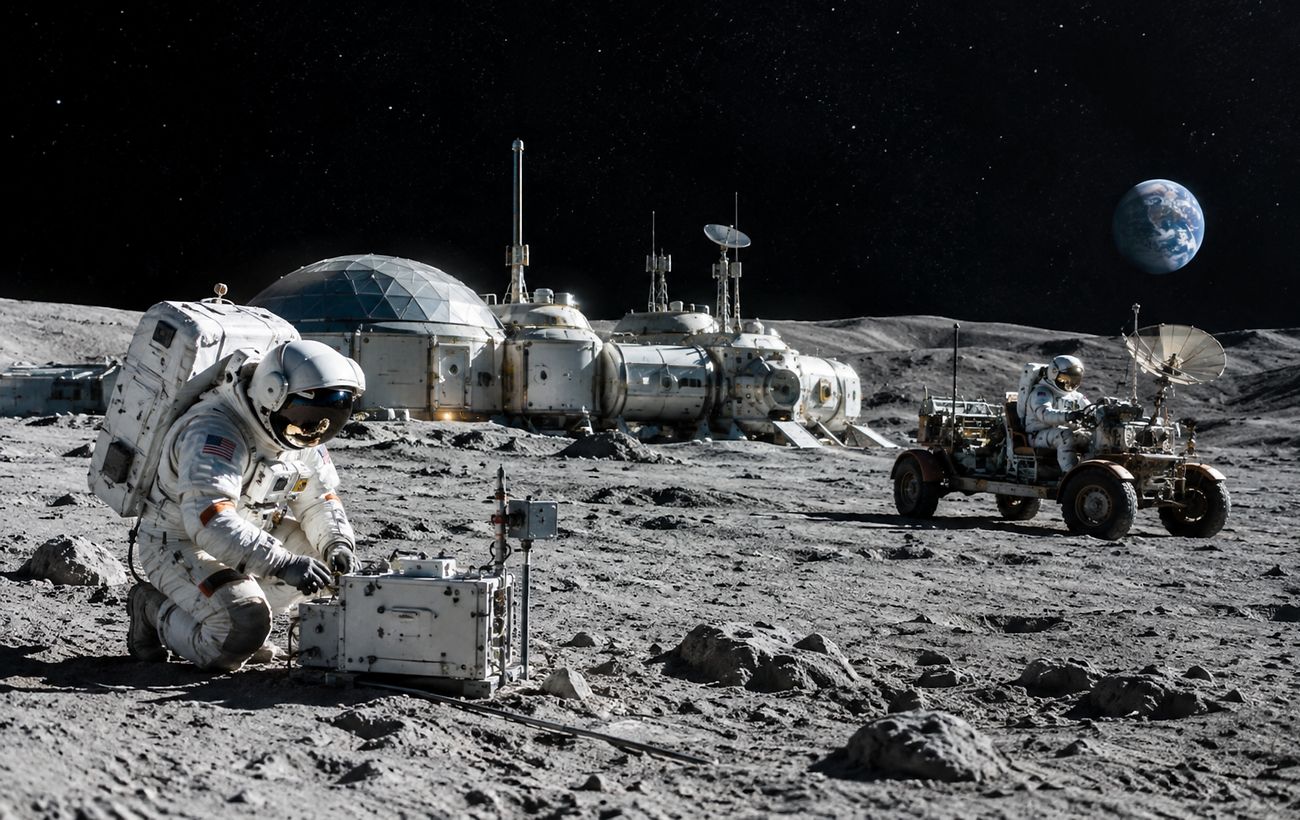
NASA and international researchers are developing essential technologies to ensure sustainable human presence and habitation on the Moon.
 💡Tech
Photo: RBC-Ukraine
Key points
- NASA is developing compact nuclear reactors to provide reliable lunar power.
- In-situ resource utilization aims to extract water and oxygen directly from the Moon.
- Specialized electromagnetic shields are being tested to combat hazardous lunar dust.
Human space exploration is entering a transformative phase where temporary visits are giving way to ambitions of establishing permanent infrastructure beyond Earth. Turning this vision into reality requires overcoming immense engineering challenges, ranging from reliable power generation to advanced life support and comprehensive radiation shielding. At the forefront of these efforts, space agencies like NASA are actively researching and testing critical innovations.
Powering Future Settlements and Resource Utilization
Relying solely on traditional solar panels is impractical due to the unique lunar environment, where daylight and darkness each last about two weeks, and shadowed craters receive no sunlight at all. To guarantee a steady and uninterrupted power supply regardless of lighting conditions, engineers are developing alternative solutions, including radioisotope generators and compact nuclear reactors, with the first prototype deployment targeted for the next decade.
Achieving true self-sustainability also depends on utilizing local lunar resources to extract water, oxygen, and fuel directly on-site, thereby avoiding the prohibitive costs of resupplying from Earth. Furthermore, advanced recycling systems must be perfected to purify water and air over years of continuous operation without frequent maintenance. Engineers are equally focused on mitigating the hazards of sharp, abrasive lunar dust, successfully testing electrodynamic shields and specialized filters to protect sensitive equipment and habitats.
Source RBC-Ukraine — rbc.ua/ukr/news/vid-dernogo-reaktora-5g-shcho-potribno-nasa-1794836… ↗
Read next
 🚌Transport
Denmark Urges EU to Ban Tourist Visas for Russians Following Security Threat
Copenhagen calls for unified Schengen entry restrictions for Russian citizens after a thwarted assassination attempt.
 🏙️City
Winter Feeding of Squirrels in Berdychiv: Safe Treats for Park Wildlife
Residents of Berdychiv often feed squirrels in local parks during cold weather, but improper food can harm the animals. Experts recommend preparing safe mixes of nuts and…
 🧠AI Analysis
Demographic forecast until 2030: how many people will remain in Ukraine
Experts from the Institute of Demography forecast a decline in Ukraine's population to 26 million due to the consequences of the war.
 🚨Events
UK Defense Secretary Visits Kyiv to Discuss Defense Support and Air Defense
British Defense Secretary Wes Streeting met with Volodymyr Zelenskyy in Kyiv to discuss anti-ballistic missile supplies, joint defense production, and financial aid packa…
 🛡️Security
New enemy frontline tactics: OSINT analysts report on «passive-aggressive infiltration»
Russian forces have shifted from large-scale assaults to small-group infiltration aimed at provoking Ukrainian counterattacks.
 🚨Events
Cynologists Name the Top 10 Bravest Dog Breeds: Who Made the List
Doggo Digest has published a list of ten dog breeds known for their exceptional courage, loyalty, and strong protective instincts.