The Psychology of Queuing: Why We Let Others Go First
Psychologists explain that the habit of letting people with one item go ahead in a queue reflects more than just politeness; it demonstrates empathy and situational awareness.
 👥Society
Photo: UNIAN
Key points
- Allowing someone to pass is an act of empathy
- The asymmetry of effort adds value to the gesture
- Inattention is often the reason for not helping others
- Distinguishing between kindness and fear of conflict
We have all encountered the situation at a local supermarket where a shopper with a full cart allows someone with only a single item to go ahead. While this gesture often seems like a simple act of courtesy, it is actually a complex psychological choice that reveals our ability to perceive the needs of others within our community.
Beyond Simple Manners
According to psychologist Ana Galán, this behavior is rooted in the ability to acknowledge the circumstances of others. The core of this interaction is an "asymmetry of effort": for the person letting someone pass, it costs only half a minute, while for the other person, it saves ten minutes of waiting. This awareness allows us to step outside our own comfort zone to alleviate someone else's burden.
However, failing to make this gesture does not always imply selfishness. Often, people are simply distracted by their thoughts or mobile devices, failing to notice their surroundings. Psychologists emphasize that situational awareness is the key factor that distinguishes conscious, empathetic behavior from mindless, automatic actions.
Distinguishing Kindness from Over-Compliance
It is important to differentiate between genuine empathy and excessive compliance. The latter often stems from a fear of conflict or a need to please others, even when it is inconvenient for the individual. True kindness is a conscious choice that does not leave one feeling resentful, even if one is in a hurry.
Source UNIAN — unian.ua/curiosities/povedinka-v-cherzi-shcho-oznachaye-zvichka-pro… ↗
Read next
 🇺🇦Ukraine
Tajikistan officially withdraws from the International Criminal Court
Tajikistan has exited the Rome Statute on the same day as Vladimir Putin's visit, who is wanted by the ICC.
 🩺Health
Heating issues in cities: the situation in Ukrainka as a warning
Actress Antonina Khyzhniak reported on critical heating failures in the city of Ukrainka, highlighting the vulnerability of local infrastructure to winter challenges.
 🩺Health
Health Ministry expects sufficient flu vaccine supplies for Ukraine
The Ministry of Health has assured that despite supply delays, Ukraine is well-supplied with flu vaccines that have already passed quality control.
 🛡️Security
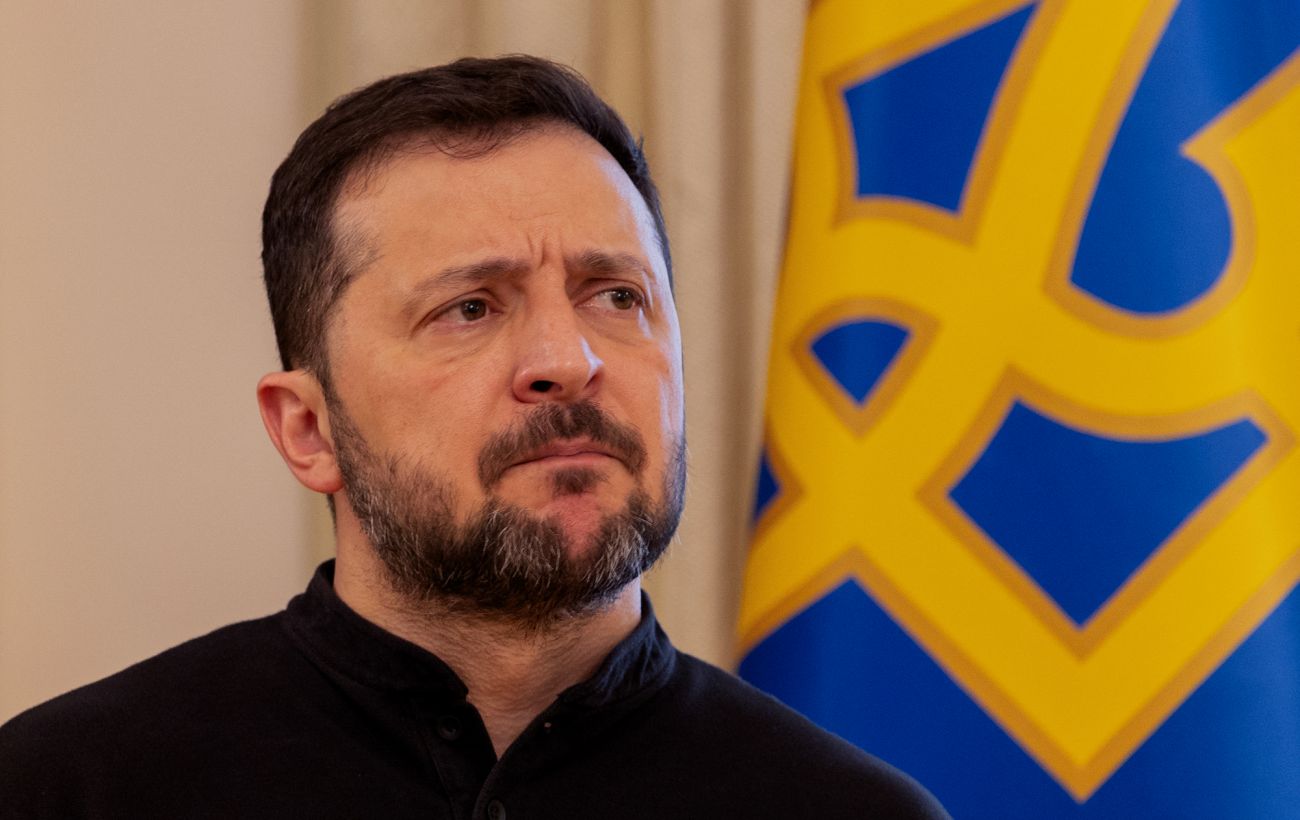
Volodymyr Zelenskyy warns of potential new massive Russian missile attacks
The President of Ukraine announced that intelligence reports indicate Russia is preparing for further large-scale missile strikes across the country.
 🏙️City
Energy system protection: authorities prepare new measures to stabilize power supply
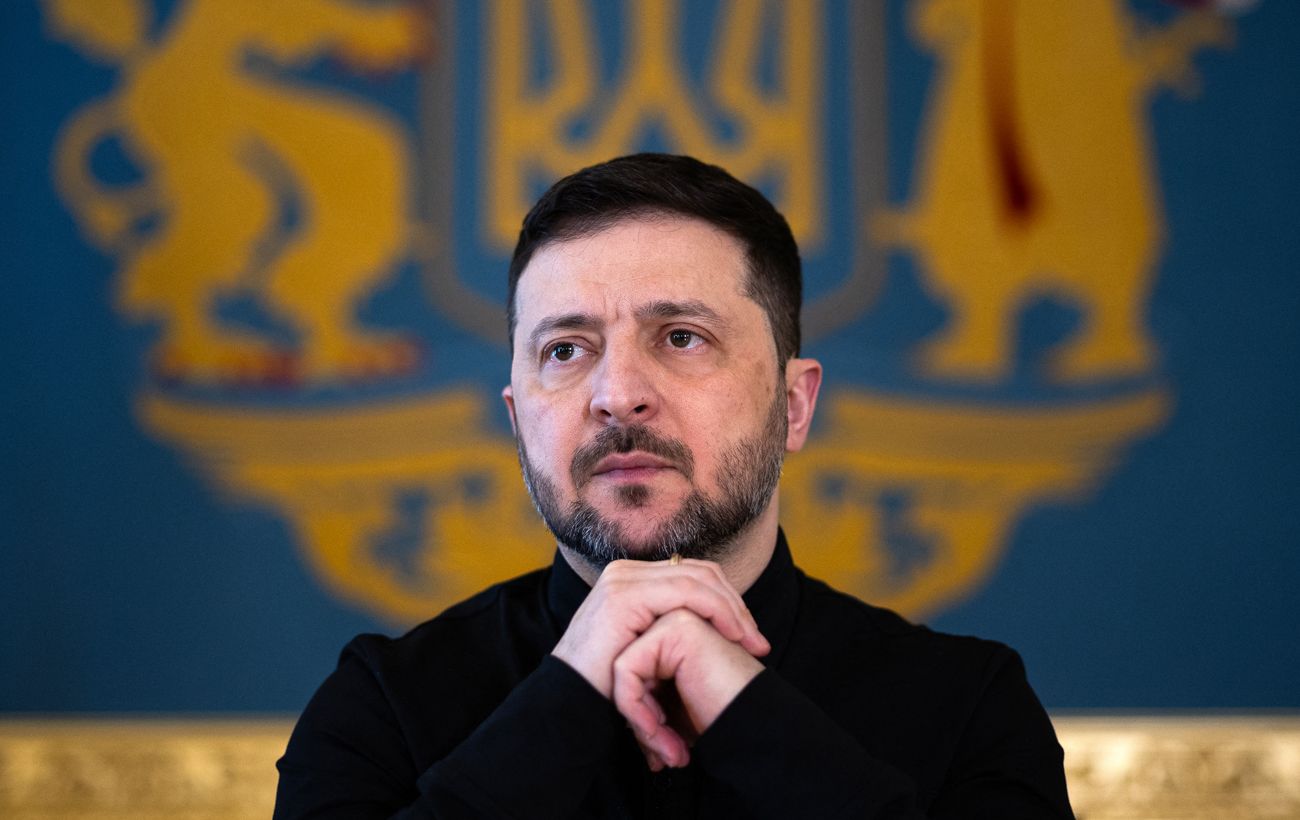
President Volodymyr Zelenskyy held a meeting on strengthening energy security and restoring power supply in regions affected by recent strikes.
 🛡️Security
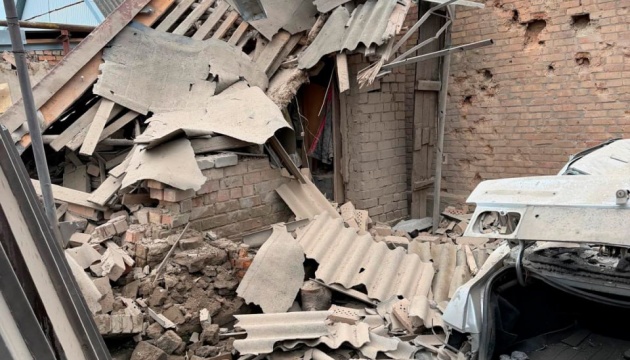
Consequences of massive shelling in Dnipropetrovsk region: two killed and infrastructure damaged
Russian forces launched 40 strikes on the Dnipropetrovsk region, resulting in two civilian deaths and damage to residential areas.