Global Security Challenges: How Cooperation Between Authoritarian Regimes Impacts the World
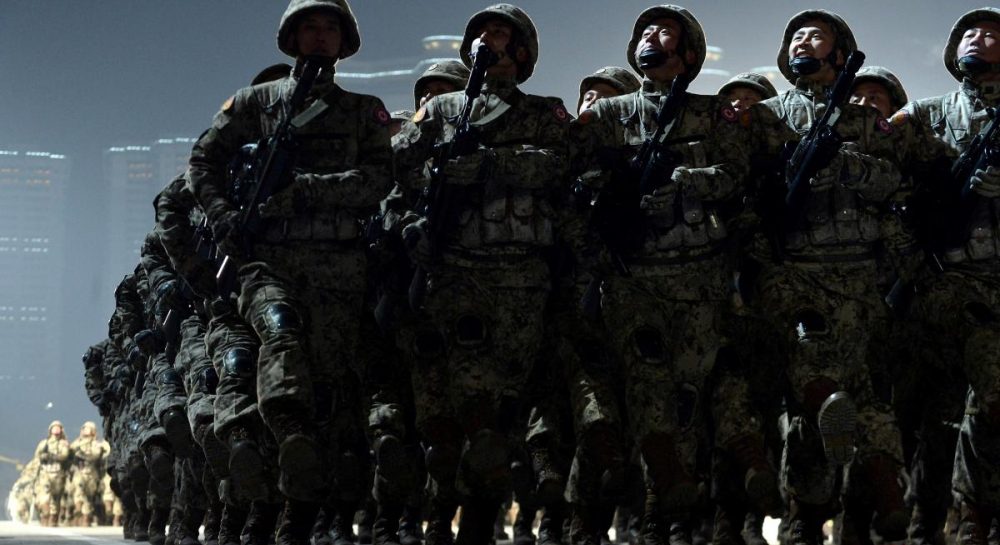
The Economist analysts report increased coordination between Russia, China, Iran, and North Korea, creating new risks for international stability.
 🏙️City
Photo: UNIAN
Key points
- Increased coordination between Russia, China, Iran, and North Korea
- Over 600 cases of security cooperation over 6 years
- Lack of a formal military alliance despite high interaction efficiency
A New Reality in International Relations
The prestigious publication The Economist has released an analysis suggesting that four nations—Russia, China, Iran, and North Korea—are forming a support network that challenges the Western world. This cooperation encompasses the exchange of military technologies, intelligence, and joint efforts to mitigate the impact of international sanctions.
Researchers at the American FDD center documented over 600 instances of security-related interaction between these states from 2019 to 2025. The intensity of these contacts has increased significantly since the start of Russia's full-scale invasion of Ukraine. Despite the lack of a formal military bloc similar to NATO, such coordination allows these regimes to act more effectively against common opponents.
The Nature of the Cooperation
Despite shared interests, experts point to internal contradictions among the members of this informal "axis." For instance, China's economic priorities regarding stability in the Middle East do not always align with Russia's desire to increase global turbulence. However, as the report's authors note, even without a unified command structure, the mutual support of these nations makes them significantly more dangerous to the world order than before.
Source UNIAN — unian.ua/world/rosiya-knr-iran-ta-pivnichna-koreya-stvorili-neforma… ↗
Read next
 🩺Health
Sardines in your diet: why you shouldn't remove the bones from canned fish
Nutritionists advise not to discard the soft bones in canned sardines, as they are a significant source of calcium.
 🛡️Security
Bundeswehr conducts first kamikaze drone tests in Lithuania
The German Armed Forces have conducted their first tactical tests of kamikaze drones during military exercises in Lithuania.
 🇺🇦Ukraine
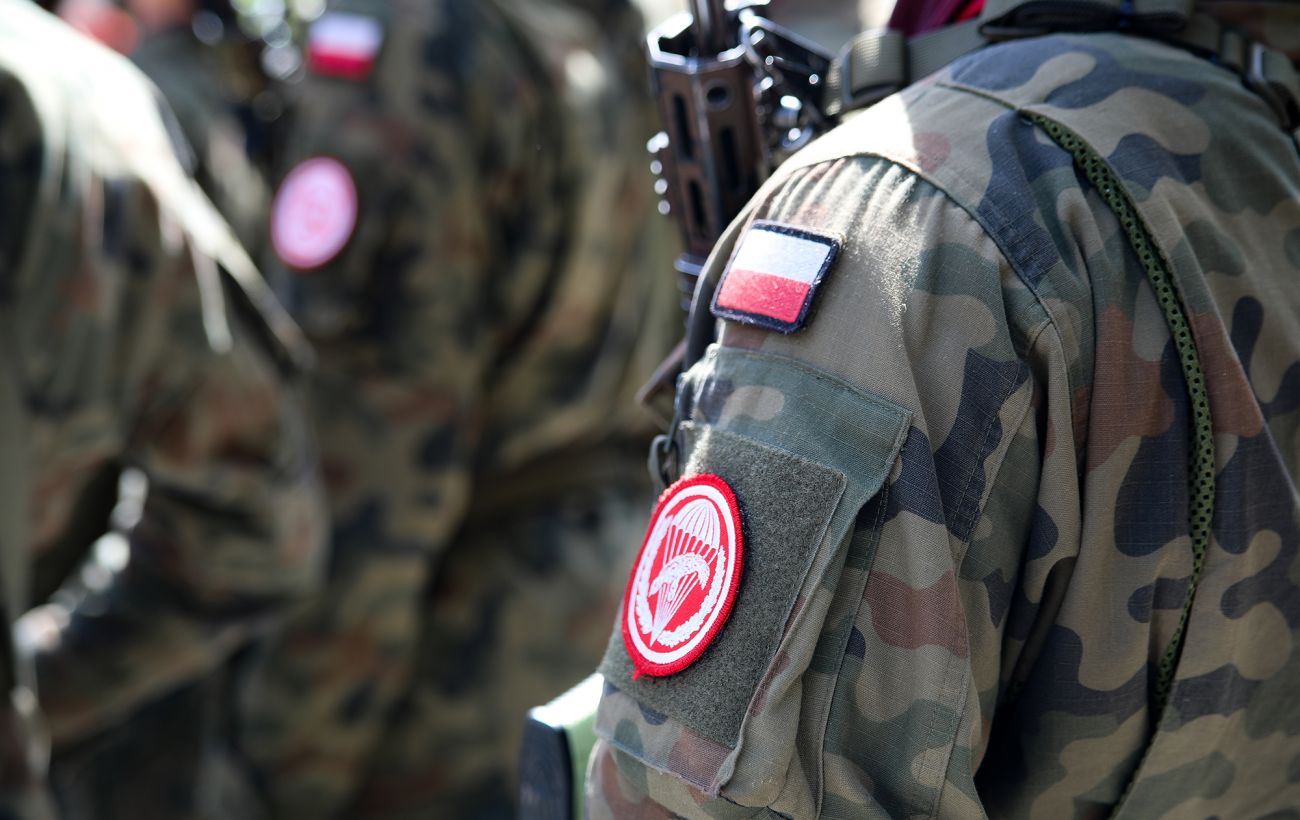
Polish Investigators Confirm Three Russian Kh-101 Missiles Fell Inside Country
Polish prosecutors have shared updated findings regarding the November airspace breach. Investigators confirmed that three Russian Kh-101 cruise missiles landed on Polish…
 ⚽Sport
Carlos Alcaraz wins his first ATP Finals title
Spanish tennis star Carlos Alcaraz claimed his maiden ATP Finals title after defeating world number one Alexander Zverev in the final.
 🚨Events
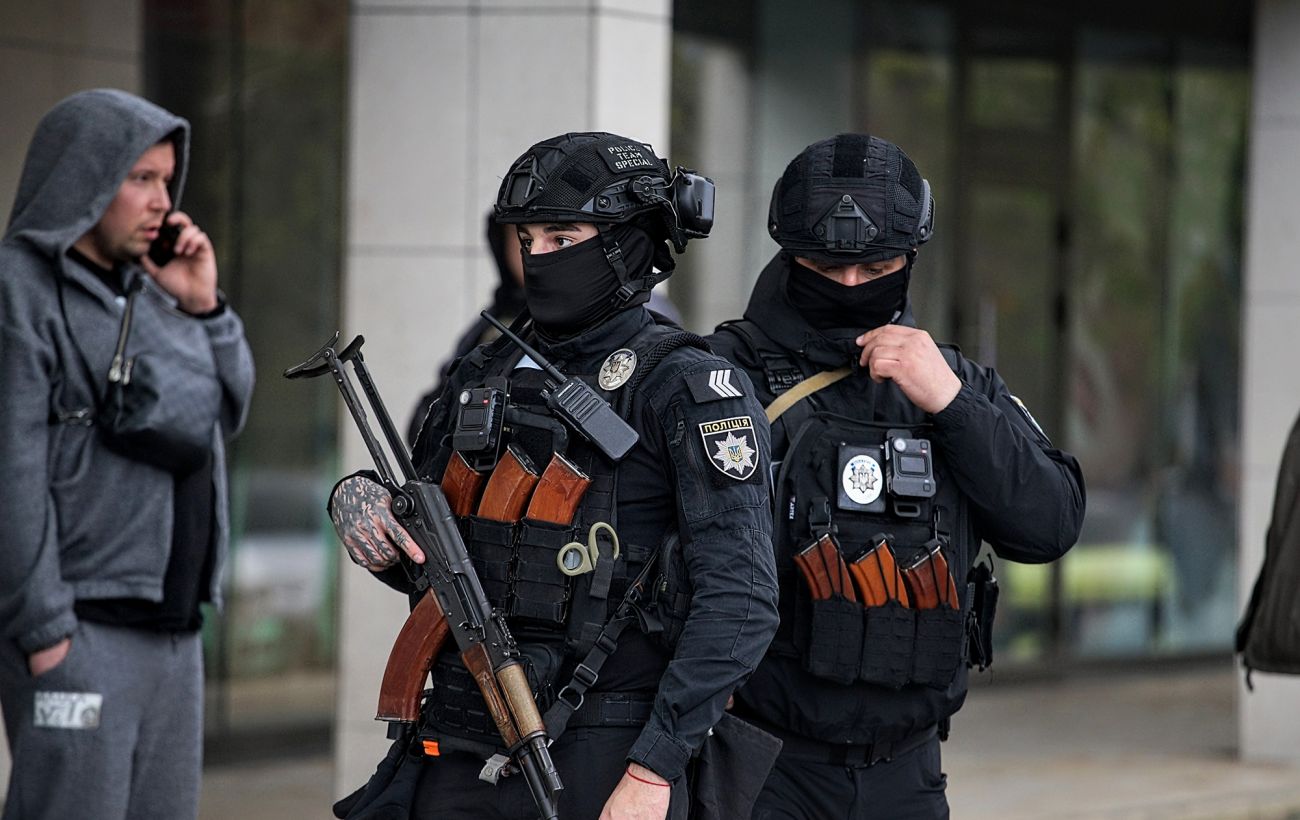
Fatal Shooting in Kharkiv: Police Searching for Suspects
On the evening of November 22, a man was killed in a shooting incident in Kharkiv, prompting a special police operation to apprehend those involved.
 ⚽Sport
Ukrainian Success in Spain: Vladyslav Vanat Leads Girona to Victory
Ukrainian forwards Vladyslav Vanat and Oleksandr Pishchur played key roles in Girona's 2-1 victory over Eibar in the 15th round of the Segunda Division.