Why Protection for Energy Facilities was Delayed: Main Causes Identified
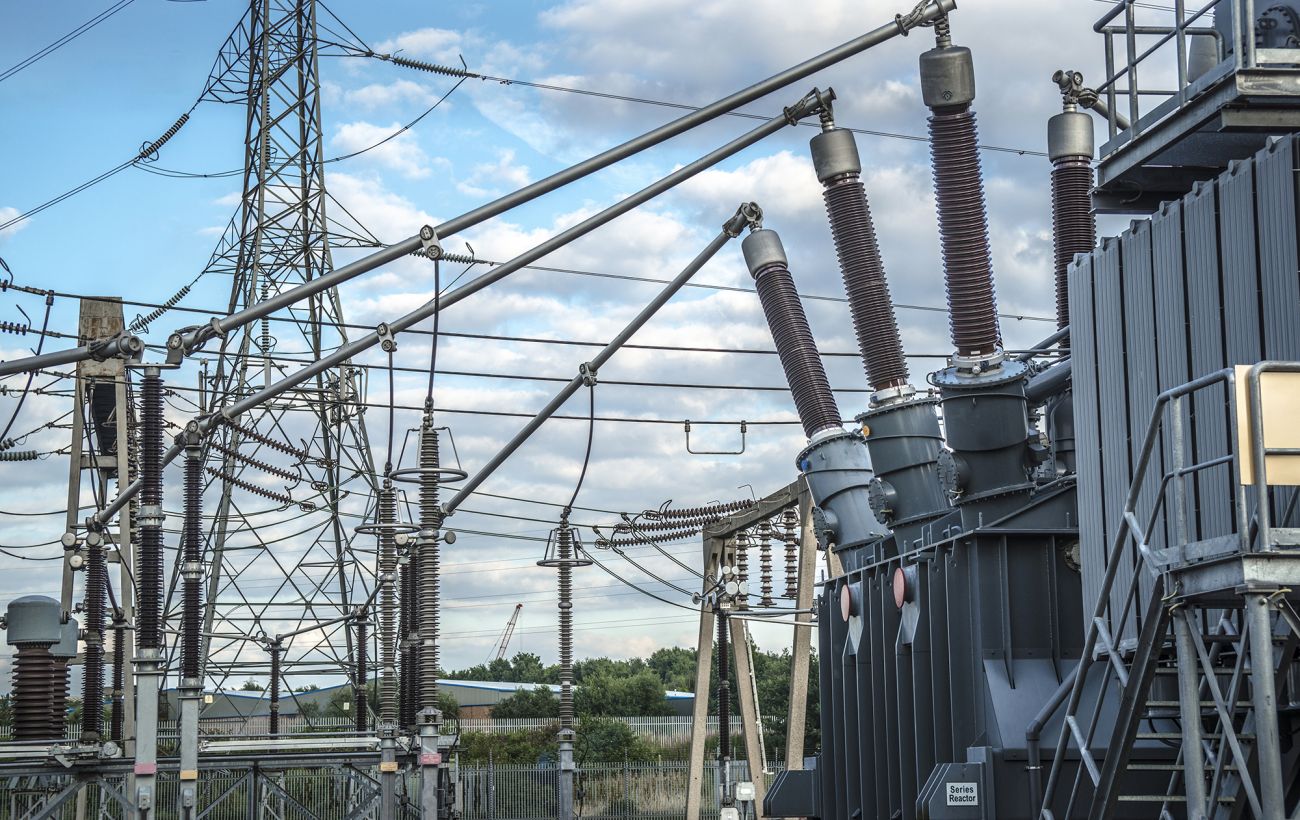
Delays in constructing protective structures for Kyiv Region's energy facilities were caused by severe underfunding, mobilization of workers, late site access, and frequent air raid alarms.
 🧠AI Analysis
Photo: RBC-Ukraine
Key points
- Actual state funding reached only 800 million UAH against an estimated 2.4 billion UAH cost.
- Reinforcement requirements increased metal usage per facility from 180 to 600 tons under General Staff guidelines.
- Projects suffered delays due to worker mobilization, late August site transfers, and air raid evacuations.
The construction of protective engineering structures for critical infrastructure in the Kyiv Region has experienced major delays due to a combination of technical, financial, and logistical challenges. According to businessman and metal supplier Vladyslav Sokolov, a primary issue was the stark contrast between actual state funding and actual project costs. While state expertise estimated the total cost at nearly 2.4 billion UAH, contractors received only around 800 million UAH, forcing companies to finance part of the work out of pocket and through loans.
Updated Technical Specifications and Resource Shortages
In addition to the funding shortfall, late access to construction sites severely impacted schedules. Several sites were only handed over to contractors in late August, making it technologically impossible to complete complex structures within two months. Furthermore, following approvals from the General Staff of the Armed Forces of Ukraine, structural safety standards were raised: the metal required for each PS-110 substation facility was increased from 180 to 600 tons to withstand direct impacts from ballistic missiles and drones.
Operational and Safety Constraints
Further complications arose from the mobilization of skilled workers directly from construction sites due to unfulfilled promises regarding critical business status. Additionally, military regulations mandated complete site evacuations during air raid sirens. On certain high-risk sites, active work time was reduced to just 1–2 hours per day due to constant alerts, while full daily operational costs for heavy machinery and labor remained mandatory.
Despite these harsh conditions, around 17 protective facilities are currently in their final stages of construction, with contractors continuing efforts to bolster the energy grid's resilience.
Source RBC-Ukraine — rbc.ua/ukr/news/stalo-vidomo-chomu-zahist-energoob-ektiv-1795430985… ↗
Read next
 🛡️Security
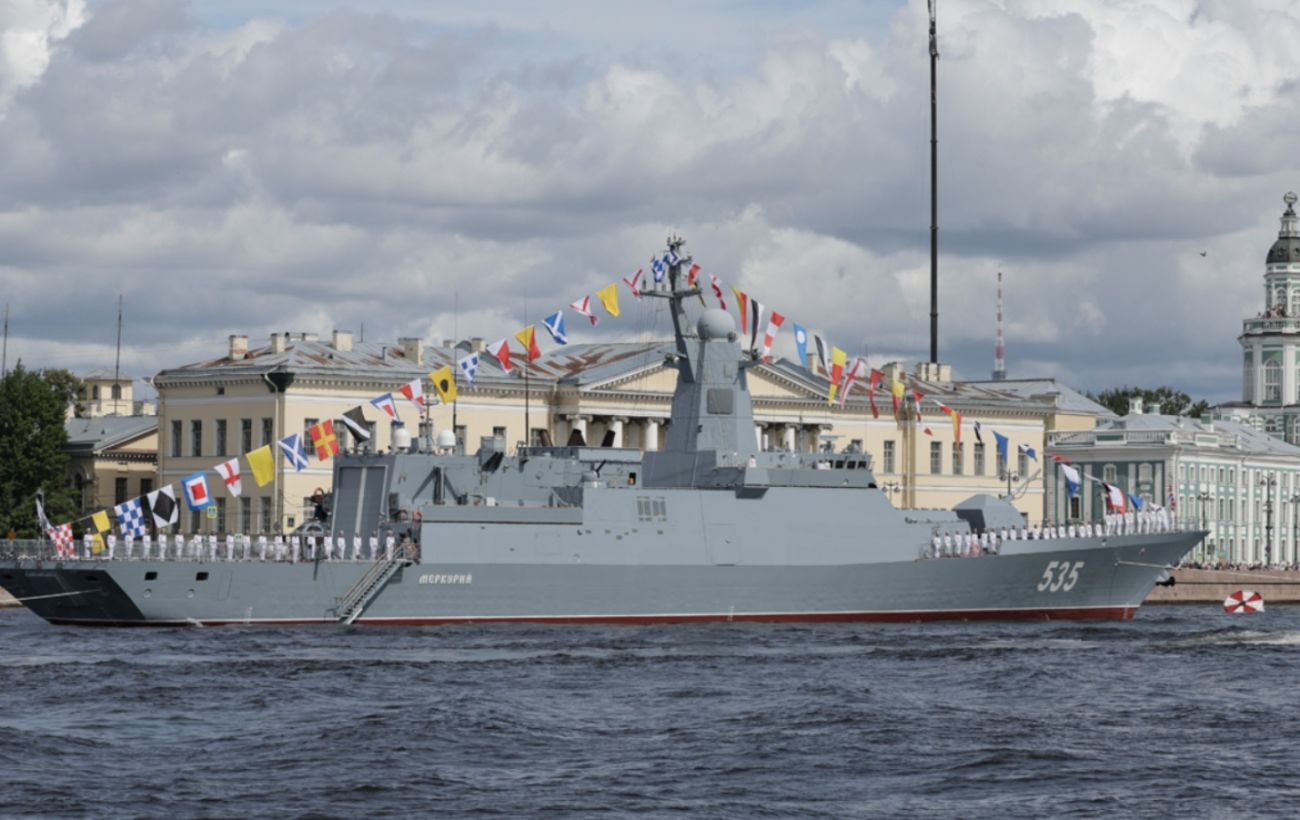
Ukrainian Defense Forces destroy Russian missile corvette 'Merkuriy' off the coast of Libya
Ukrainian military, in cooperation with the Security Service, struck and sank a modern Russian Project 20380 corvette in the Mediterranean Sea.
 🛡️Security
Another war crime: Russian forces strike evacuation vehicle in Kramatorsk
A hostile attack on an evacuation vehicle in Kramatorsk left two civilians dead and two others injured.
 🛡️Security
Volodymyr Zelenskyy Announces Readiness for Four-Way Talks to End the War
The Ukrainian President stated that Kyiv is prepared to engage in four-way negotiations with Russia, the US, and Europe immediately, while stressing the need to coordinat…
 👥Society
Why Winter Hats Have Pom-poms: History and Practical Purpose
Exploring the origins of pom-poms on winter headwear, their military and naval background, and their role in modern fashion.
 💡Tech
Giant solar power plant near the Sahara generates electricity even at night
Morocco's massive 580 MW Noor solar complex utilizes innovative thermal storage technologies to continue producing electricity long after sunset.
 🛡️Security
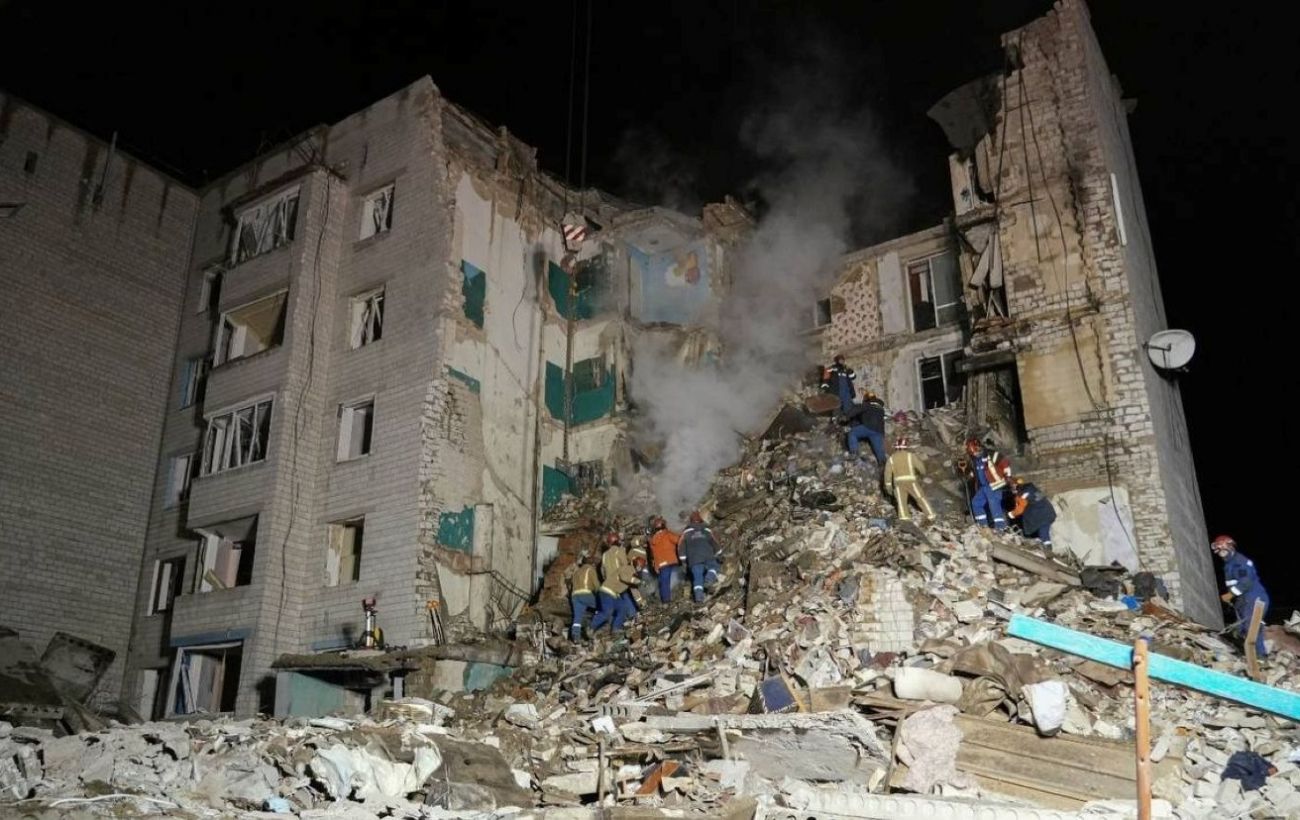
Deadly strike on Dymer claims 11 lives as rescue efforts conclude
The death toll from the Russian drone strike on an apartment building in the Kyiv region has risen to 11 people.